
Entry 03-Brian Kabogozza
Before the work, there is always a person — and before recognition, there is often a long stretch of becoming.
Brian Kabogozza is a filmmaker based in Kampala, Uganda, whose journey has unfolded through risk, patience, and circulation. His work has moved through rooms both familiar and unfamiliar, shaped by early acts of courage and later moments of discovery — each one nudging him toward questions that extend beyond craft and into authorship: how stories travel, how they change us, and how much further they ask us to go.
He is a storyteller shaped as much by absence as by exposure. He did not grow up with easy access to screens or cartoons, or the kind of visibility that quietly trains imagination. There was no television in his home. Instead, there were neighborhood detours, borrowed time, and Nigerian films watched from a distance — stories that repeated themselves, yet sparked a deeper question: what else could film be?

Brian Kabogozza
Can African stories be told in ways Africans have not seen before — without losing the themes that make them ours?
Early Risk, Early Belief
At fourteen, Brian took his uncle’s camera to school — knowing it was forbidden. With classmates, he began making short skits, editing them, burning CDs, and selling them to parents at the end of term. It was risky, improvised, and unsanctioned. It was also formative.
That moment remains the work he is most proud of — not because of its quality, but because of the decision it required. Before permission, before polish, there was belief. And that belief has stayed with him.
Finding a Voice Through Film
Brian didn’t imagine himself becoming an actor, a politician, or a musician. But he understood early that film could carry a voice — even for those who were not meant to be seen first.
When he eventually watched his first Hollywood film, The Terminator, the experience was immersive and unsettling in the best way. Film, he realized, could be constructed differently. Stories could move beyond repetition. They could stretch.
Today, his creative drive lives inside an ongoing question:
Can African stories be told in ways Africans have not seen before — without losing the themes that make them ours?
Love. Betrayal. Survival. Passion.These ideas recur throughout his work, sometimes intentionally, sometimes unconsciously. They echo his lived experience — mistakes made, trust broken, resilience learned.
Brian often describes himself as an underdog. Someone underestimated. Someone not immediately trusted with responsibility. But when opportunity arrives, he meets it fully. That insistence on showing up — completely, without half-measures — is what keeps him going.
Process as Intuition and Proof
Brian’s process is deeply intuitive. Ideas take time to settle before they can be shared. He may carry a concept for months before it becomes a six-page short film. Research matters to him — whether he is writing or collaborating — because he wants to be able to answer why without hesitation.
Failure is not something he avoids. It is something he tests.
The parts of the process that excite him most include writing and development, visual storytelling, collaboration, post-production, sound — and the act of trying, failing, and returning with more clarity.
He is also candid about the challenges he navigates. Dyslexia slows his reading and writing. Sleep is often elusive. Rest is rare. Still, the work continues — not in spite of these realities, but alongside them.
Circulation, and What It Changed
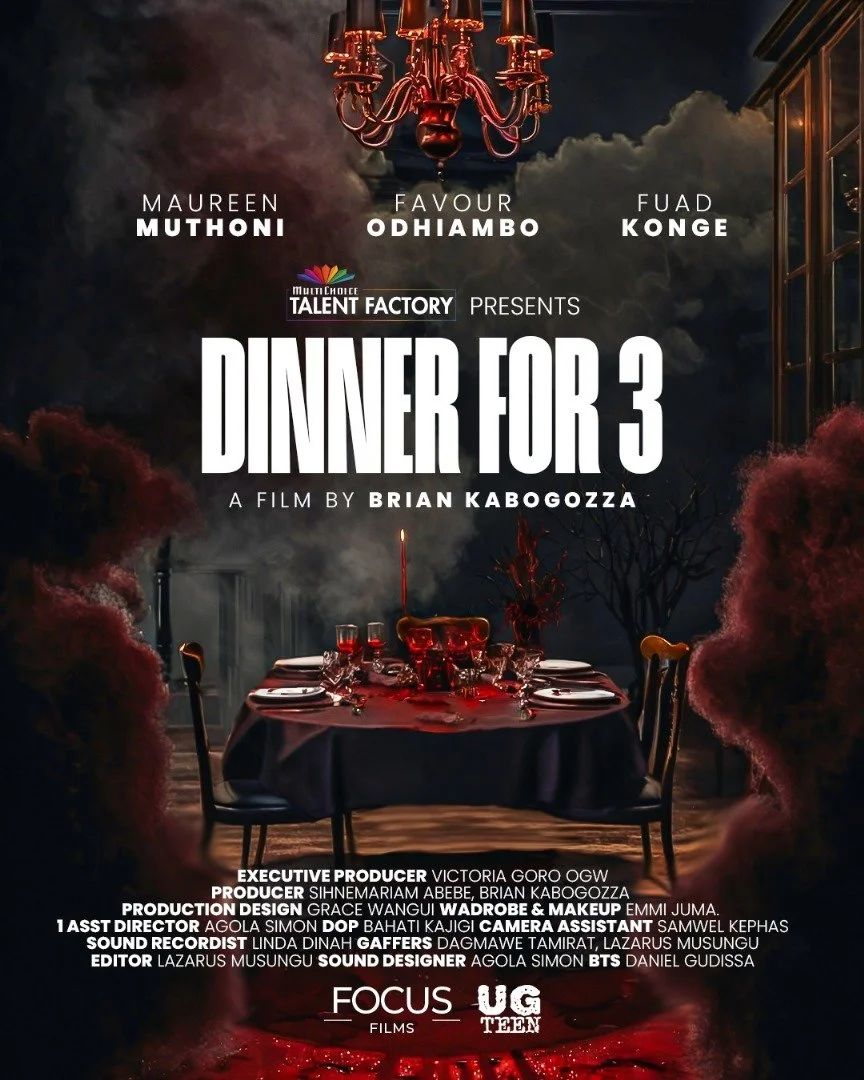
Brian’s relationship with Mini Movie Marathon is not new. His film Dinner for Three was previously showcased through MMM — a moment that marked a shift in how his work began to travel.
The film went on to screen at festivals, opening new rooms, new audiences, and new perspectives. For Brian, that circulation mattered not only for visibility, but for reflection. Seeing his work exist beyond its point of origin pushed him to look again at his process, his assumptions, and what he still had to learn.
It gave him the urge to continue growing — not by repeating what worked, but by reaching beyond what he already knows.
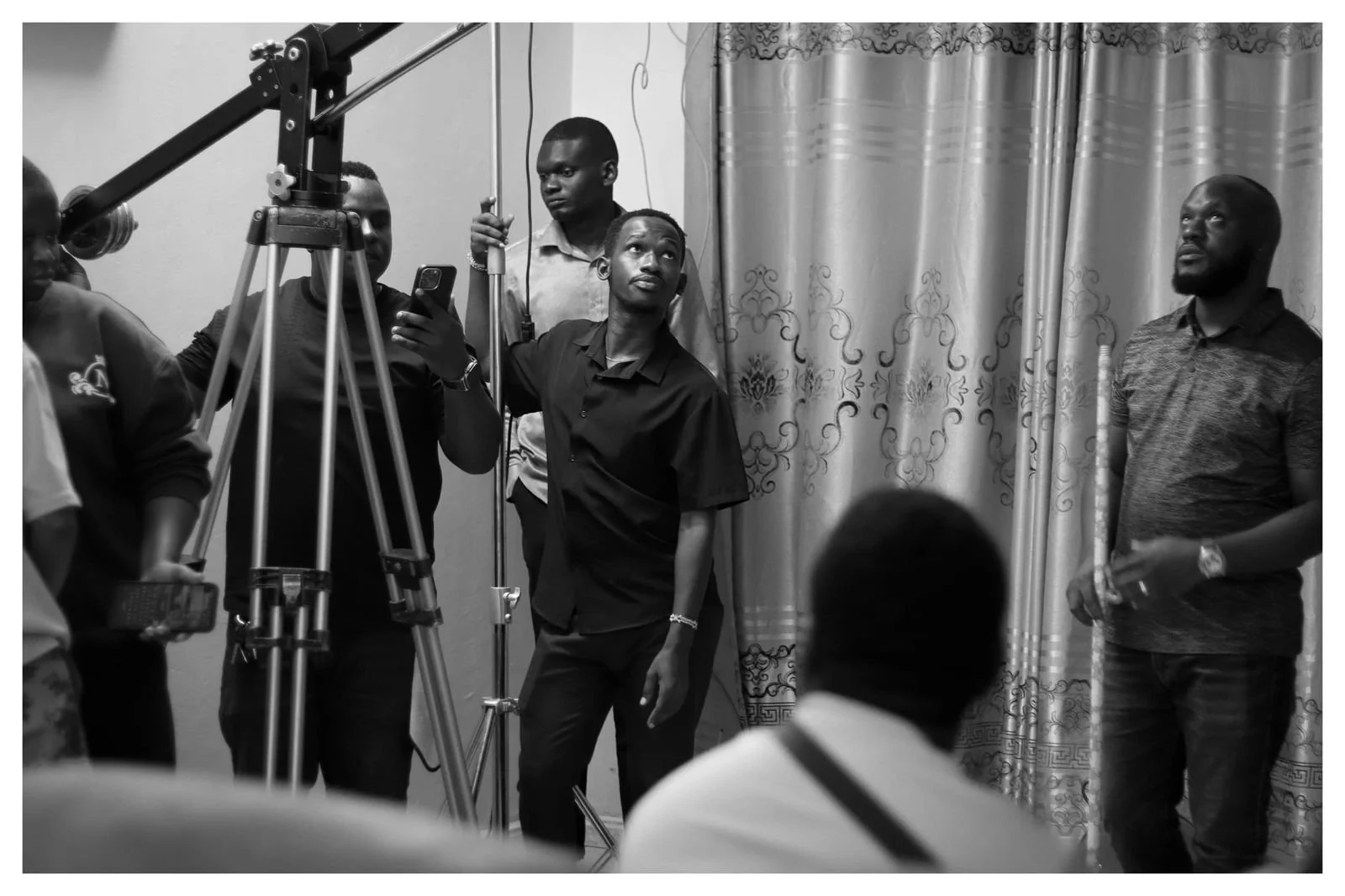
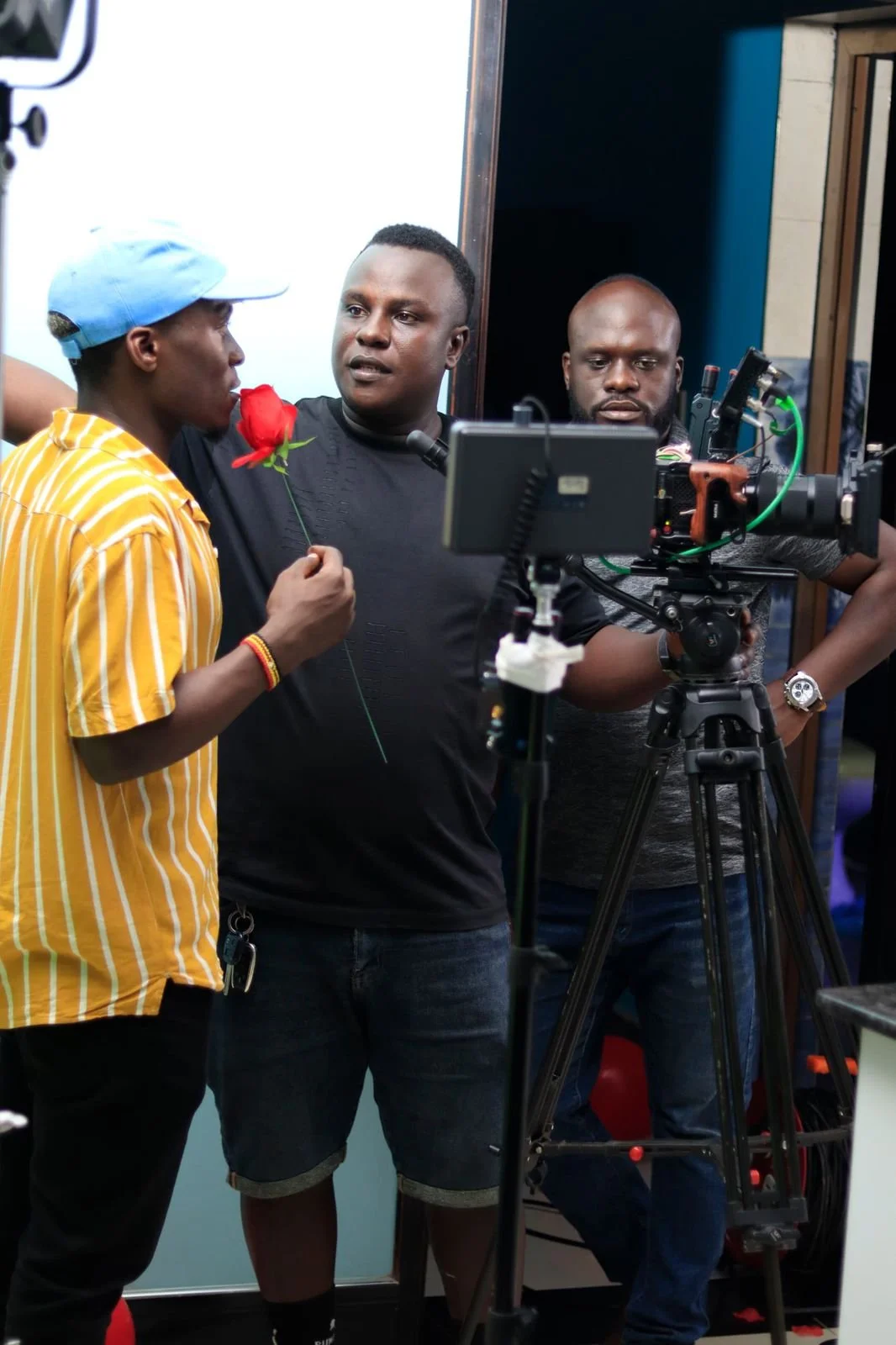
Beyond his own films, Brian started FilmChat — a platform for young African filmmakers to share, learn, and connect. Between September and December 2025, the initiative reached and impacted over 200 filmmakers. FilmChat is freely accessible to all emerging, intermediate, and advanced filmmakers, reflecting Brian’s belief that creativity grows when it moves through community.



Now, and What’s Ahead
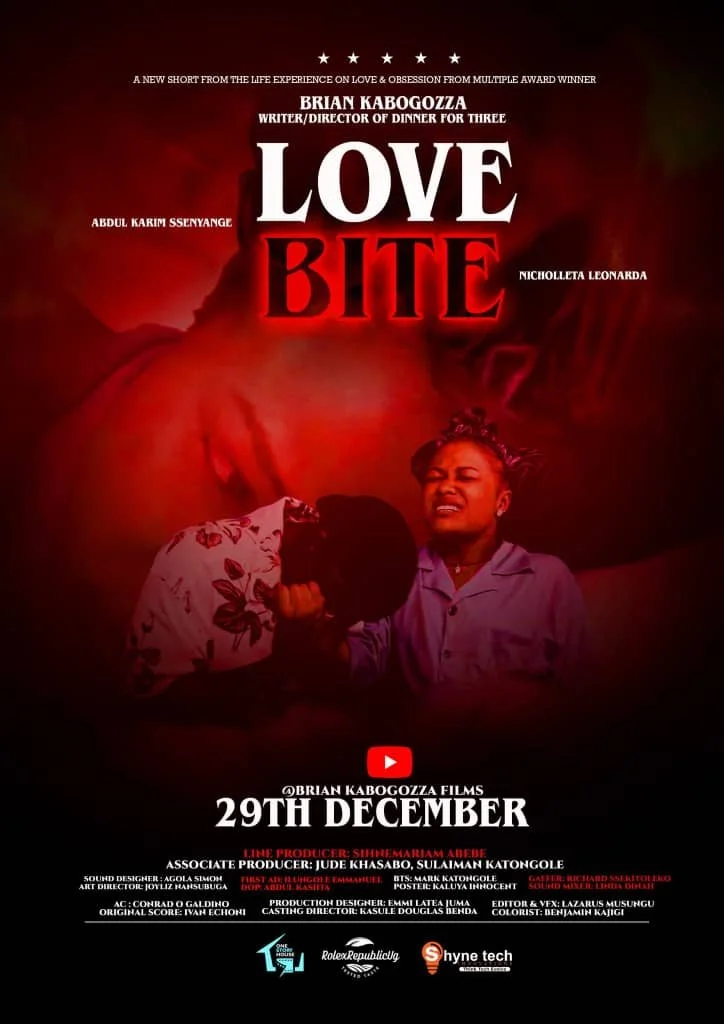
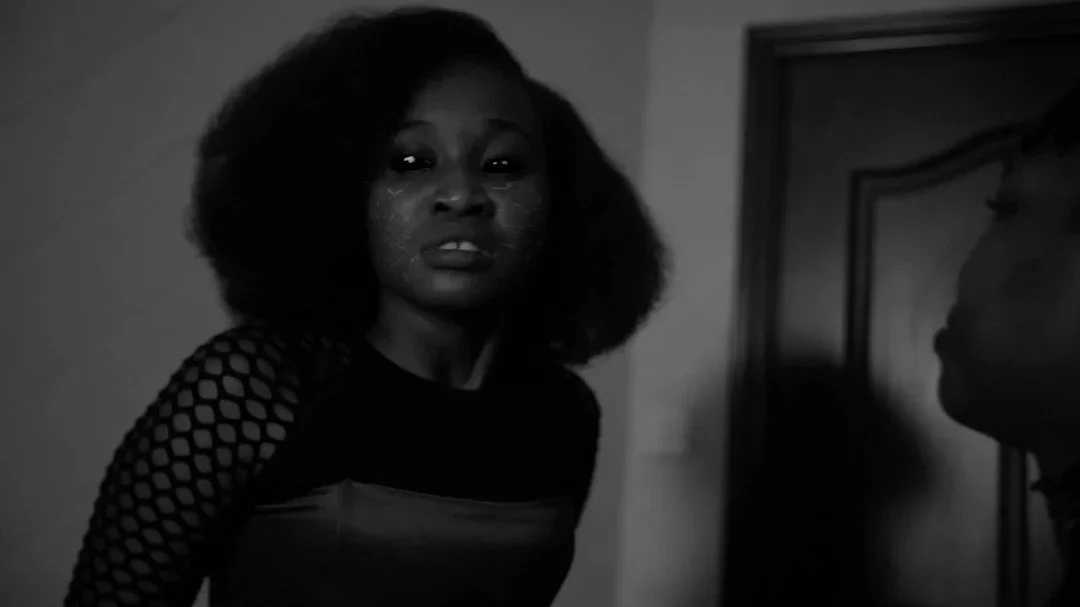
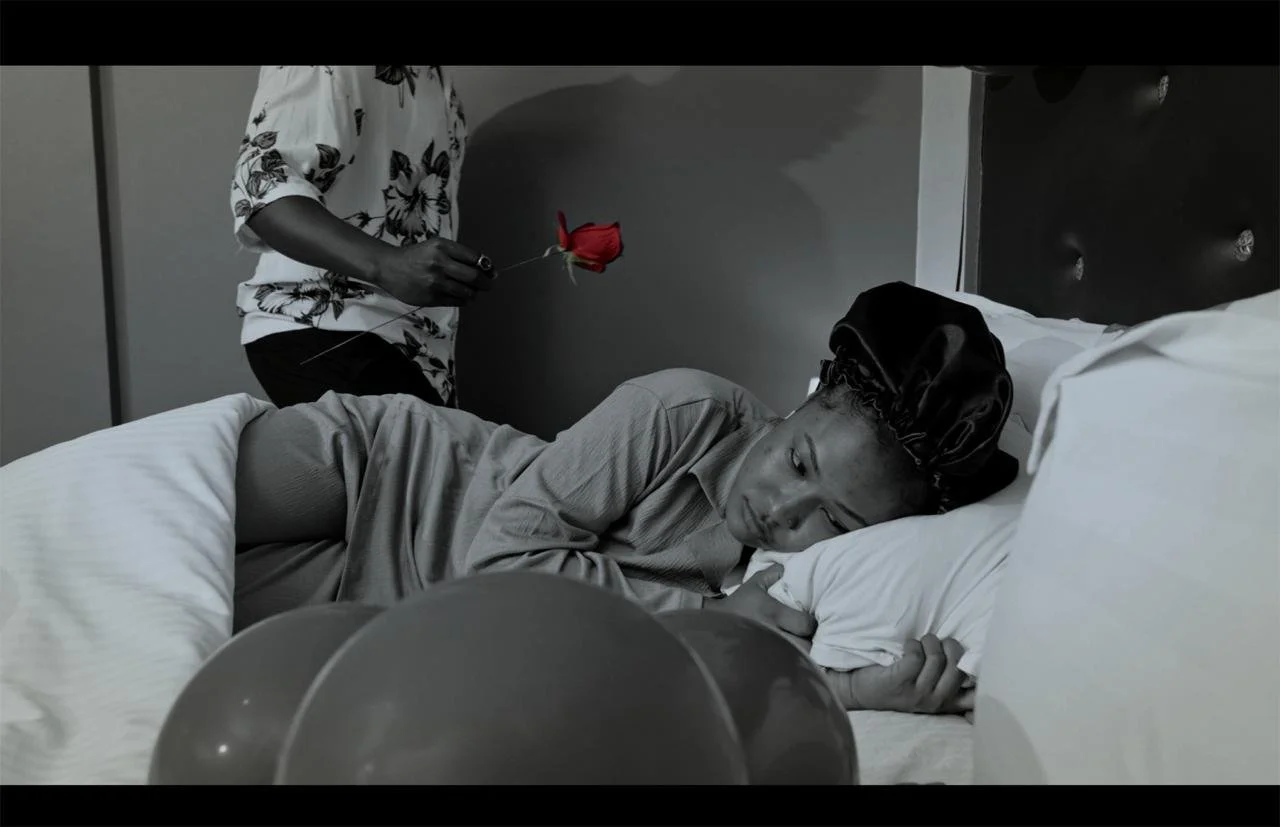
Brian recently released his short film Love Bite, marking a new chapter in his practice. He is currently developing a multi-genre time-travel short film — ambitious in form and intention.
He is open to collaborations across writing, directing, producing, performance, technical roles, development support, distribution, and conversation itself.
You can find him on Instagram: @kabogozzabrian
