
Njoroge Muthoni — On Compassion, Vulnerability, and the Male Body
Before the work, there is a person.
Before the image, there is a question.
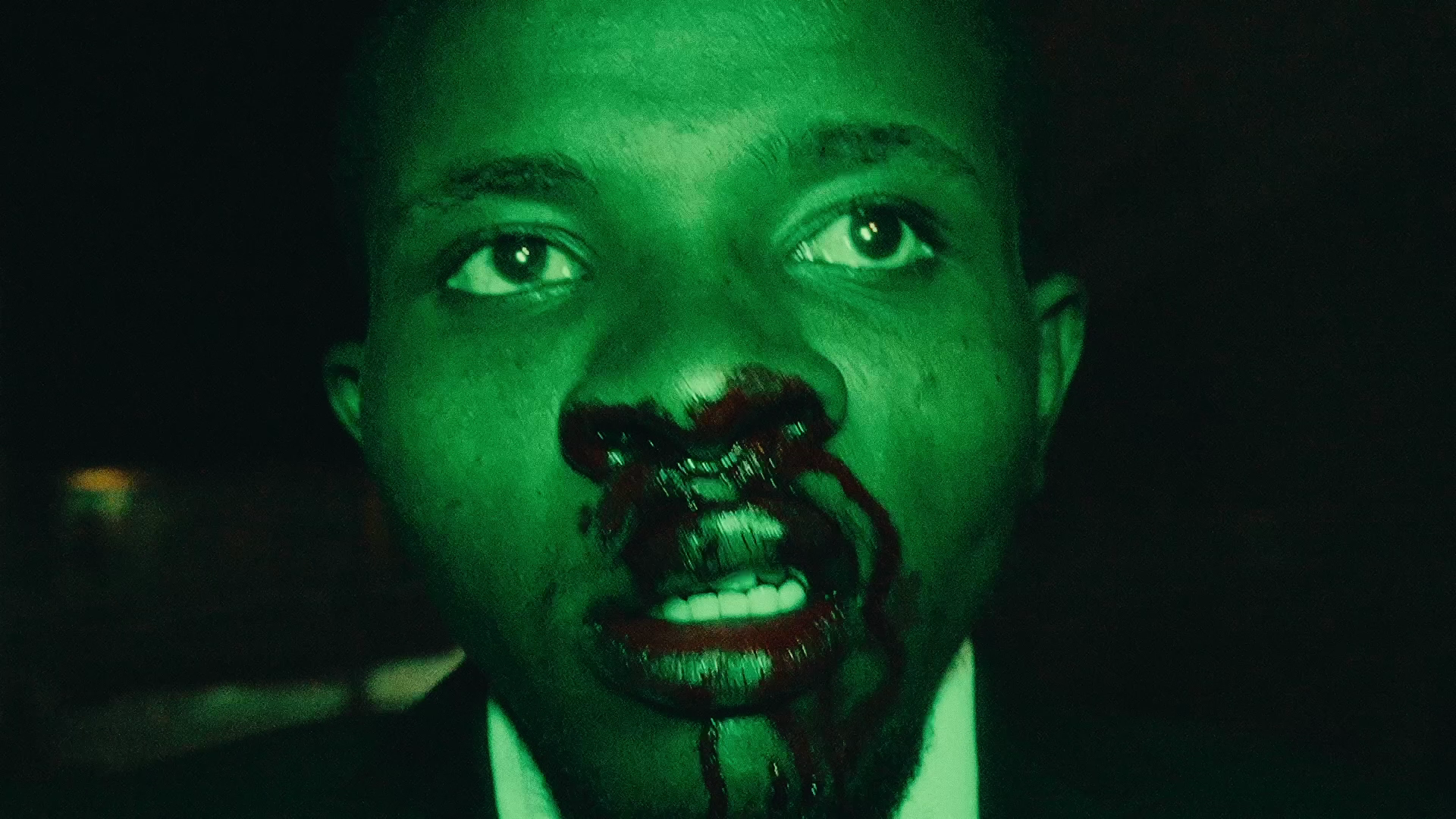
@ukwazi
For filmmaker and artist Njoroge Muthoni (Ukwazi), film is not a destination but a method — a way of imagining more compassionate ways of being, loving, and surviving. His practice lingers in the spaces between intimacy and fear, vulnerability and performance, the body as lived and the body as disciplined.
He understands himself as an artist working within film rather than toward it. The medium becomes a site of responsibility, where empathy and care must do more than exist — they must be felt, carried, and made believable. Compassion, in his work, is not soft.
Much of Njoroge’s earlier work functioned as self-inquiry. Short films became micro-biographies shaped by questions of spirituality, friendship, intimacy, and survival under precarity. At the time, these projects felt exploratory — attempts to understand emotional complexity as it unfolded.
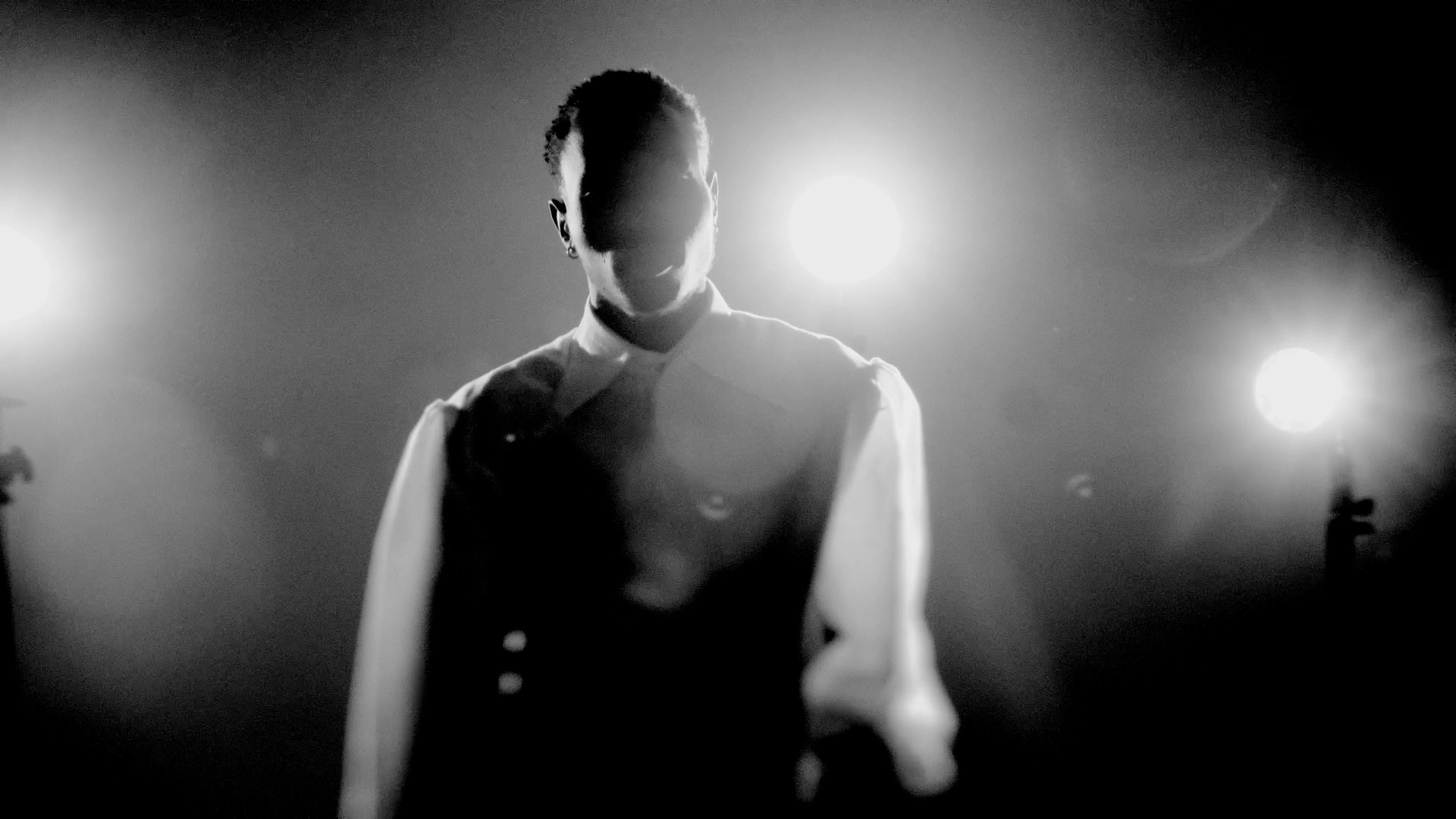
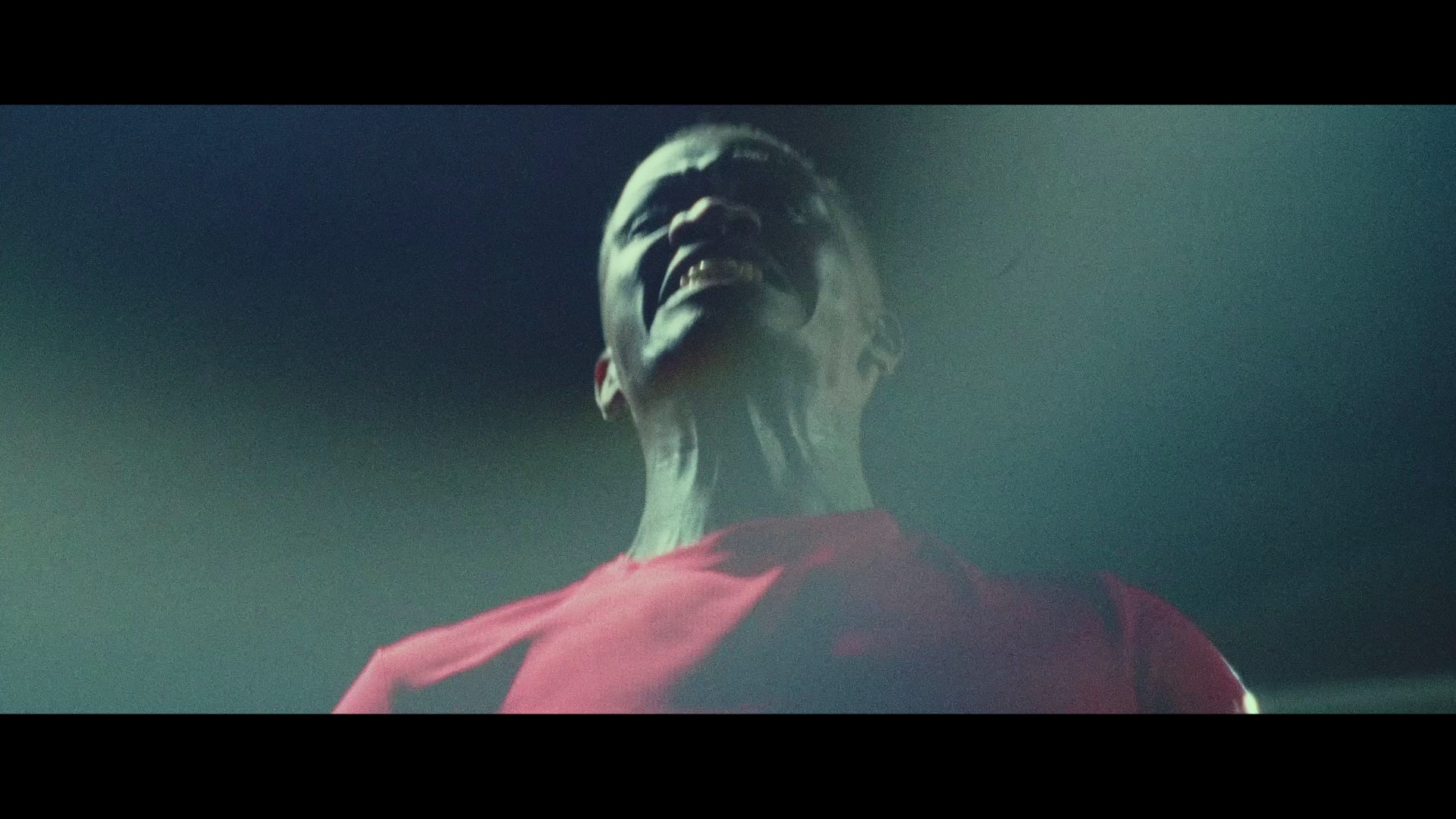

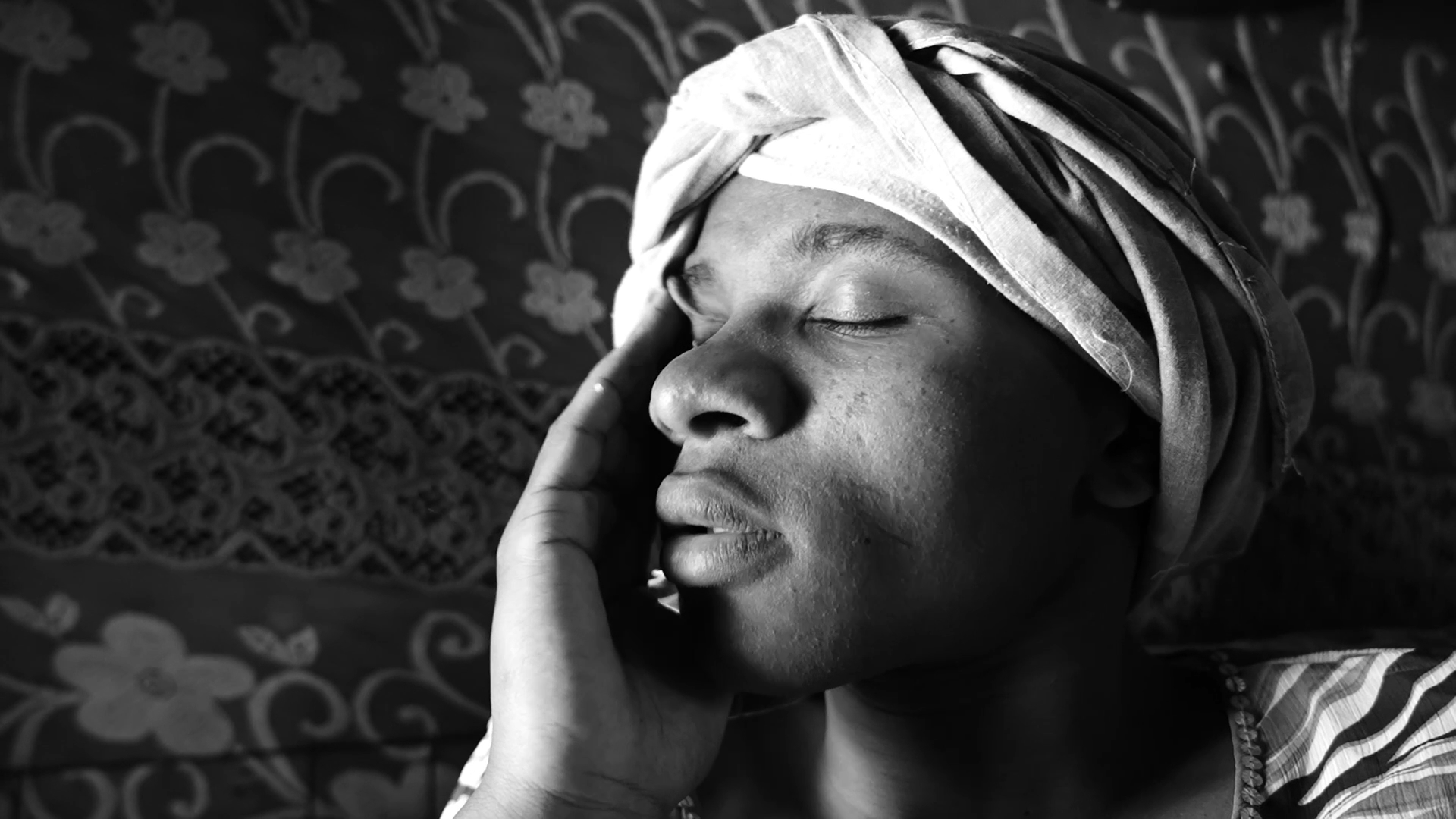
Seven years later, a different clarity has emerged. What once appeared fragmented now reveals a central concern: the absence of intimacy and the fear of vulnerability, particularly where the male body is concerned.
As his questions deepened, their scale expanded. What produces these gaps? What sustains the dysfunction that repeats itself across bodies and relationships?
His current thinking points toward systems — inherited, normalised, and difficult to unlearn. Patriarchy, capitalism, imperial residue, and rigid traditions form structures into which bodies are shaped. Njoroge’s work moves inward, asking whether misogyny, sexism, and male violence are manifestations of unaddressed grief — grief born from systems of one’s own creation.
These are not theoretical concerns. They are lived, embodied, unresolved. The work resists simplification, asking instead how one counters harm with nuance, and how one imagines new foundations rooted in love and tolerance without pretending the ground is clean.
Process remains intuitive. Stories arrive unexpectedly — sometimes while searching for bread and cake — and unfold according to their own logic. He listens, follows, and allows form to emerge.
Care is central to his practice. Collaboration, consent, and accountability guide his work, especially when engaging people navigating vulnerability within restrictive social contexts. Participants are treated as co-authors rather than subjects. The aim is not exposure, but resonance — by creating visual narratives that reclaim free expression and imagine alternative presents where honesty, love, and care are not acts of defiance, but part of a dignified existence.
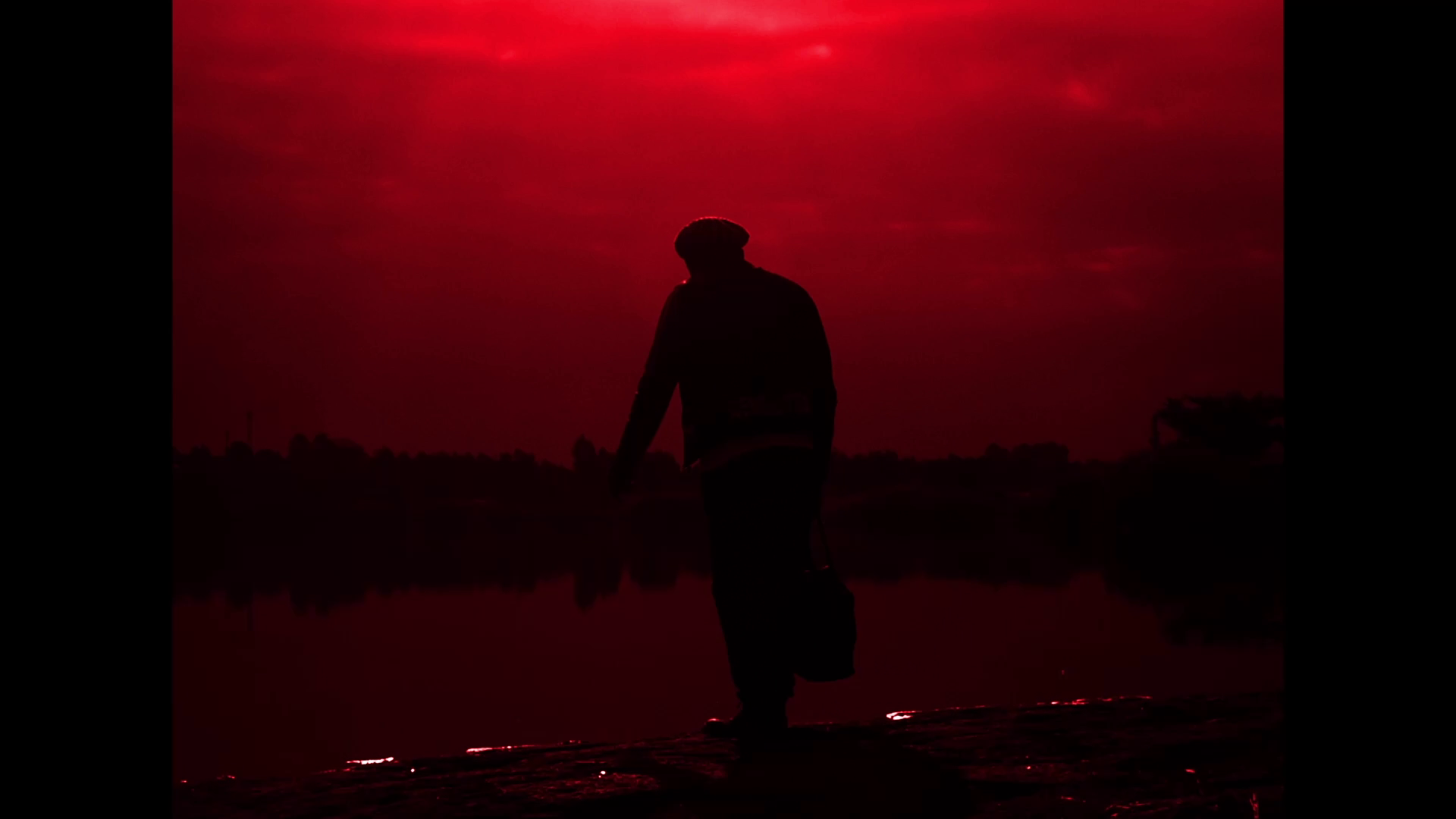
Working as a full-time artist in Kenya sharpens these tensions. In a context where ideas are often positioned as external and labour as local, his practice insists on dignity — in work, in love, in life — while refusing to sensationalise precarity, even as it remains present.
Looking ahead, Njoroge is drawn to multiplicity: anthology filmmaking, translating film into theatre, deeper interrogations of identity and history, and ongoing questions around sex, power, and the politics of the naked body.
What holds the work together is not certainty, but commitment — to complexity, to care, and to vulnerability as rigour rather than an aesthetic.
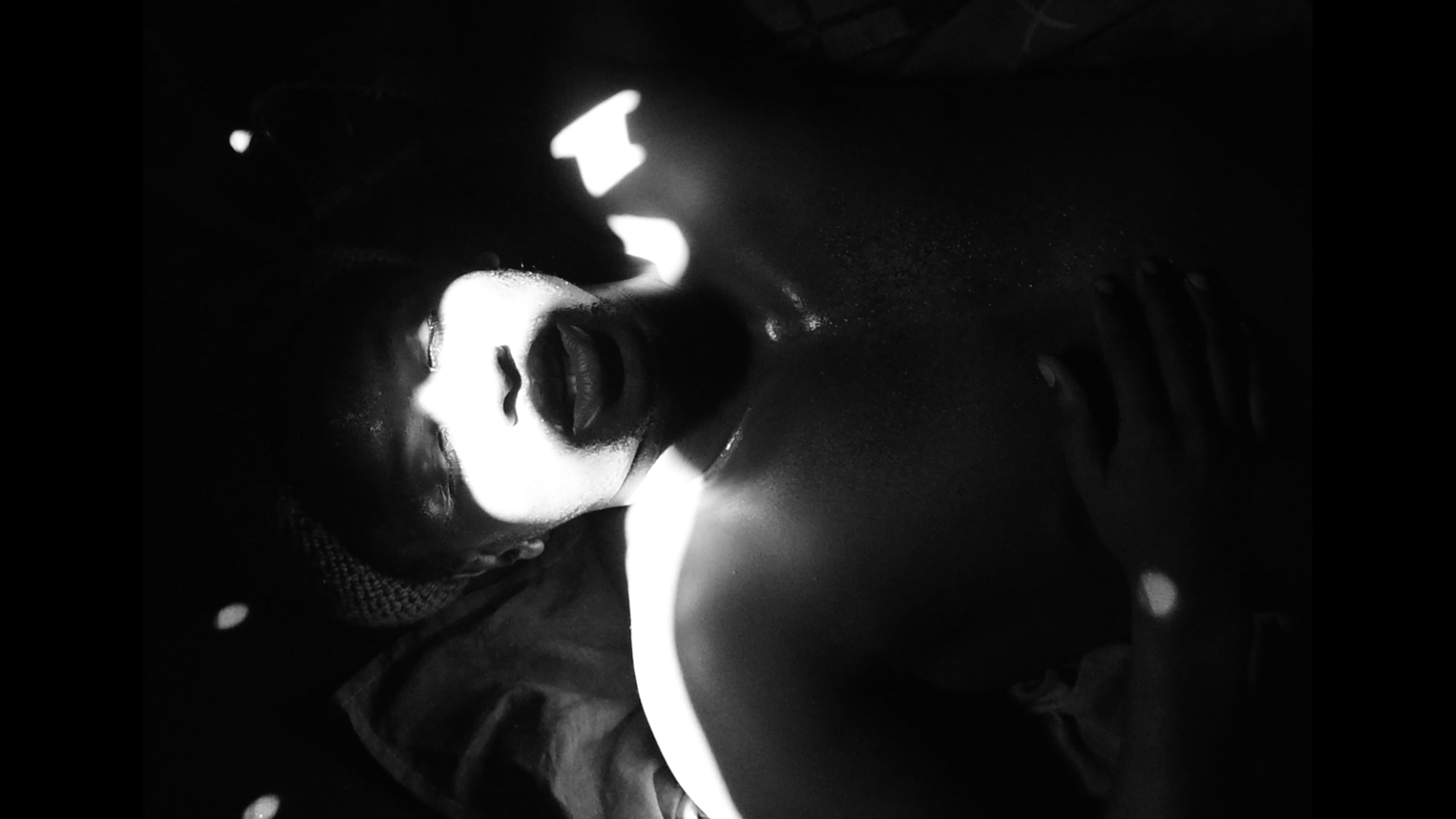
@ Ukwazi
In Njoroge’s practice, love and compassion are not just ideals.
They are the way — the truth unto which he meets life.
