
LO CHAN LO BASSIN
15 min · Short Film · Réunion Island
Language: Réunion Creole (Créole Réunionnais)
Directed by: Célia Berby Maillot
Produced by: Orana Larthomas
Production house: La Fémis
THE FILM
What happens when the people who carry our stories are no longer here to tell them?
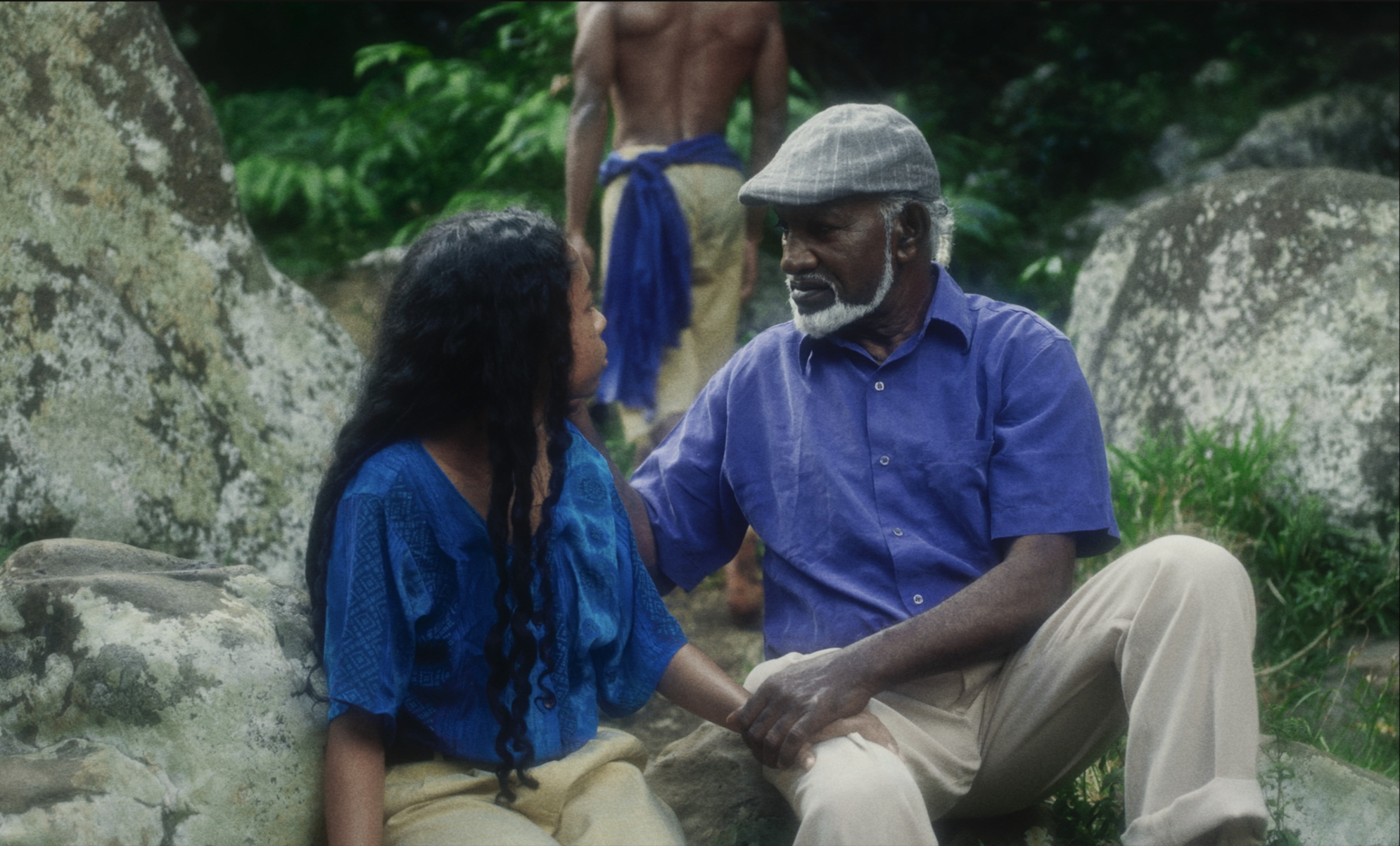
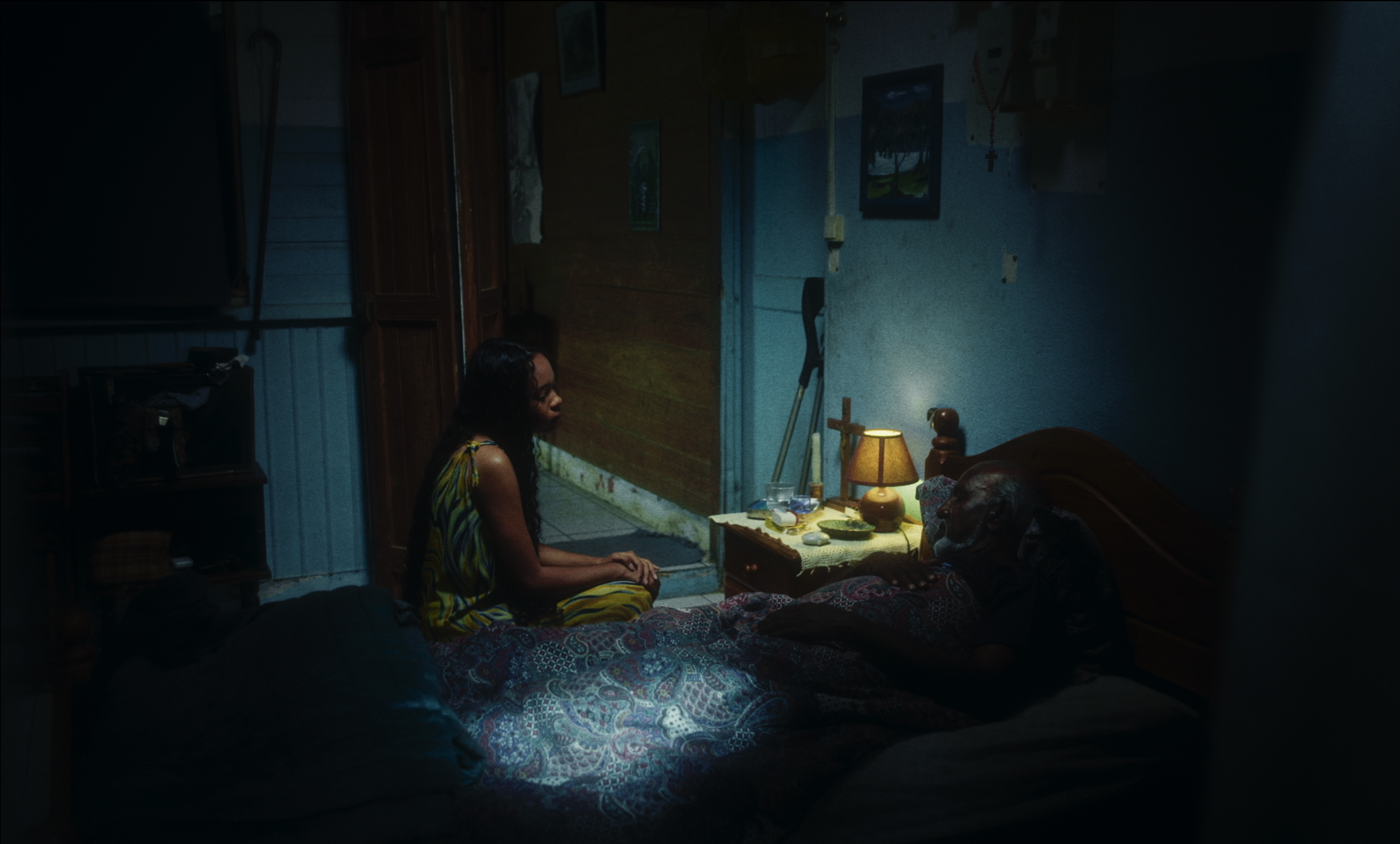
When Ondine returns to Réunion Island as her grandfather approaches the end of his life, she finds herself caught between the grief of saying goodbye and the memories of a place she has been away from for too long.
A strange encounter in a bassin; a natural freshwater pool, draws her into the island’s memories, where the landscapes she knows begin to blur with stories of the past, ancestral legends and the wounds left by slavery.
As Ondine moves between the familiar and the fantastical, she encounters the story of Héva and Anchaing, two maroons whose pursuit of freedom became part of Réunion’s history.
What begins as a return home becomes something deeper: a journey into the stories passed down through generations, the traditions that shape our understanding of where we come from, and the memories that risk disappearing when their storytellers are gone.
In Lo Chan Lo Bassin, the past is never entirely past. It lives in the water, in the land, and in the stories we carry with us.
BETWEEN MEMORY AND LEGEND
An island can be more than a place on a map. It can be a language, a collection of memories, a way of seeing the world.
For Ondine, leaving Réunion means discovering things about home that she could not fully recognise while she was still there. The water surrounding the island, the stories told by her grandfather, and the warnings passed down by her mother take on new meaning from a distance.
At the heart of Lo Chan Lo Bassin is the relationship between everyday life and the mystical. Here, legends are not separate from reality. They exist alongside it, woven into the landscape, family memories and cultural beliefs.
The film draws us into a Réunion where the spirit world remains part of ordinary life — where a body of water can hold both beauty and fear, and where the stories of those who came before continue to shape the present.
Rather than explaining the island’s traditions to us, the film invites us to experience them through Ondine’s memories, her grief and her imagination.
THE STORY BEHIND THE STORY
For director Célia Berby Maillot, Lo Chan Lo Bassin grew out of two departures.
In 2022, she left Réunion Island to pursue her studies. Around the same time, her grandfather left the island in another, more permanent way.
Being far from home made the distance feel even greater. Thousands of kilometres away, she found herself without the person who had shared stories of the island and its past. With her grandfather gone, a part of the oral history he carried was suddenly at risk of disappearing with him.
The film became a way of returning to those stories.
Unable to go back in time herself, Célia gives Ondine the opportunity to return — to her grandfather’s home, to the memories of childhood, and to a world where personal grief opens a door into ancestral legend.
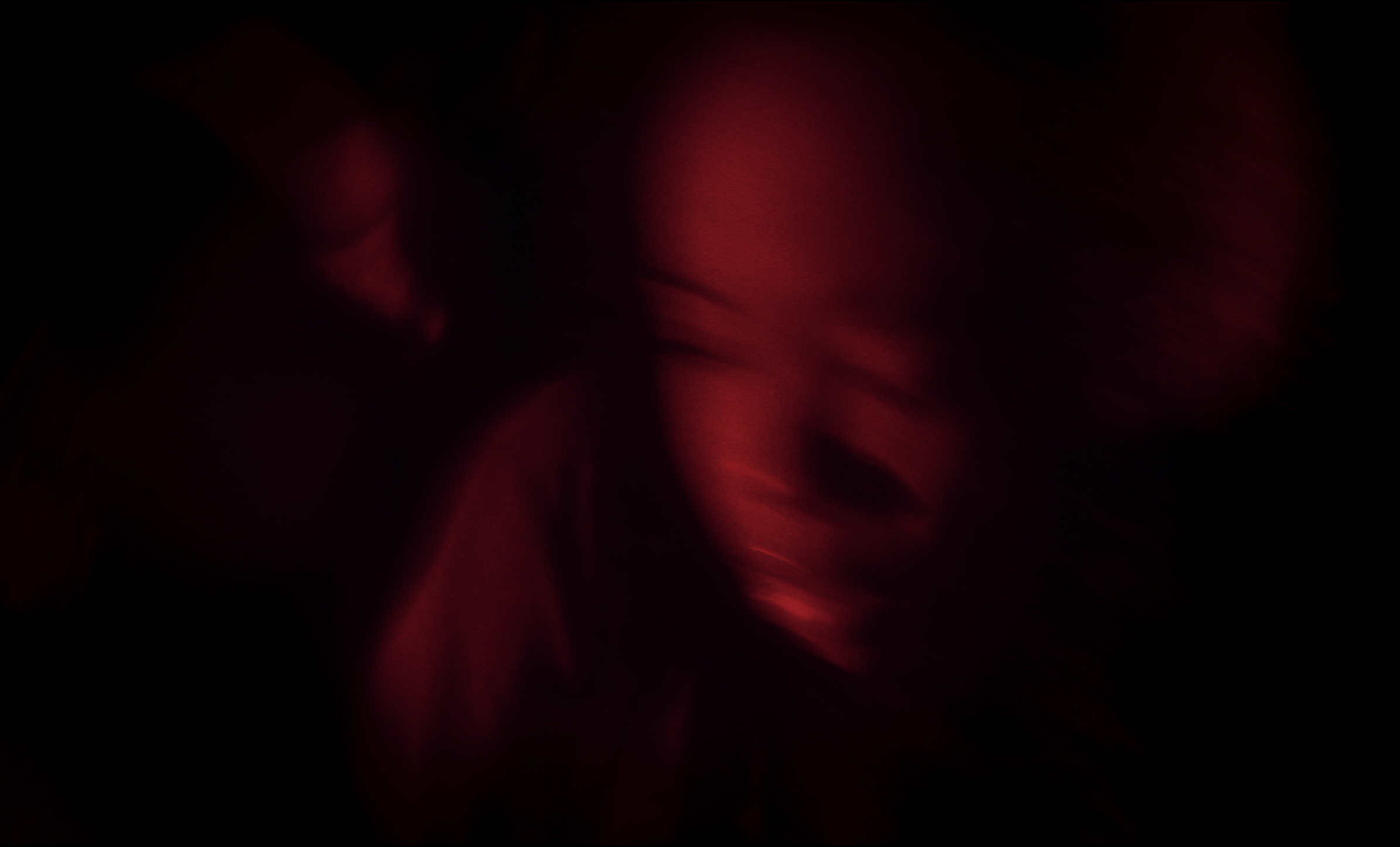
As Ondine spends time in the house, memories begin to spill into reality, like watercolour spreading across a wet page. The loss of a loved one becomes a fantastical journey through the island’s cultural memory, leading her towards the story of Héva and Anchaing, two maroons who fought for their freedom in the forests of Réunion.
Through this journey, Célia explores what happens when a storyteller is no longer there to pass their knowledge on.
In Réunion, the elders who carry these stories are known as zarboutans. Their knowledge connects generations, preserving histories, beliefs and ways of understanding the world that might otherwise be forgotten.
For Célia, making the film was not about presenting herself as the keeper of all these traditions. It was about recognising their value — and the responsibility that comes with inheriting them.
FROM THE DIRECTOR
Célia Berby Maillot did not set out to make a lesson about Réunion Island or its traditions. She wanted to express the island she grew up in, and the one that continues to stir waves of nostalgia now that she lives far away.
Her approach is rooted in the island’s hybrid nature: a place where the imagination has not been pushed out of everyday life, and where legends and ancestral beliefs continue to exist alongside the modern world.
Visually, the film brings together the island’s landscapes and faces with an atmosphere of mysticism and unspoken truths. Inspired in part by Djibril Diop Mambéty’s Touki Bouki, Célia sought to develop a cinematic language that could hold both the reality of daily life and the stories that live beneath its surface.
The result is a film that moves between the personal and the collective, between the memory of one grandfather and the larger history of a people.
As Célia reflects, Lo Chan Lo Bassin is ultimately a cry — a reminder of the importance of oral tradition and the passing down of knowledge.
Because when the people who carry these stories are no longer here, remembering becomes a responsibility we share.


THE TEAM
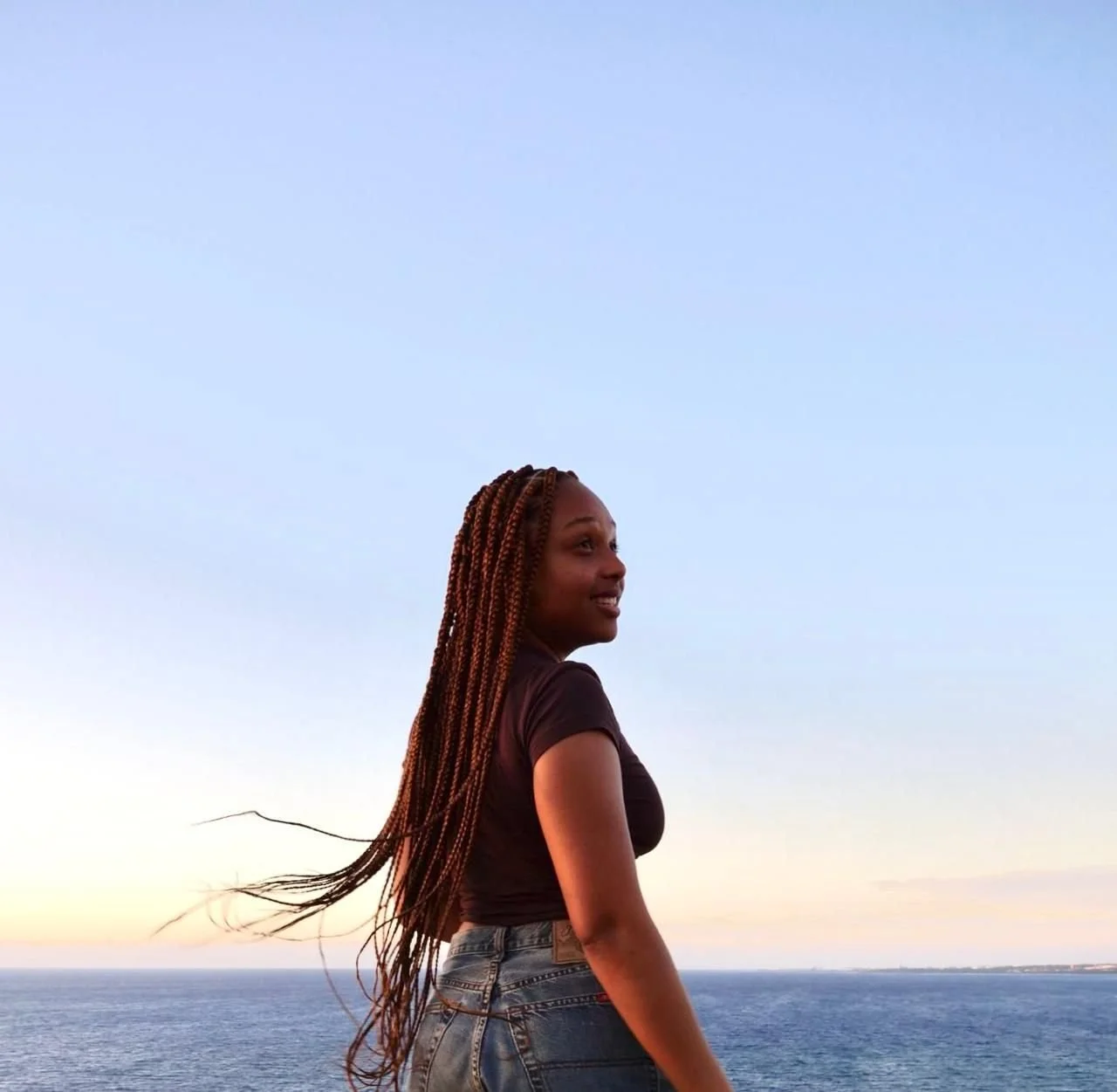
Célia Berby Maillot
Director
Orana Larthomas
Producer
Production house: La Fémis
Lo Chan Lo Bassin was also the thesis film of producer Orana Larthomas, who graduated from La Fémis’s Production Department in 2025.
A STORY WE INHERIT
Some stories are written down. Others are carried in a language, remembered through a landscape, or passed from a grandparent to a child.
But what happens when the person who knows the story is no longer there to tell it?
Lo Chan Lo Bassin reminds us that preserving memory is not only about looking backwards. It is about deciding what we carry forward, and making sure the voices that shaped us are not lost to time.
What stories have you inherited — and who will carry them after you?
SEE IT AT MMM VOL. 5
Lo Chan Lo Bassin screens as part of Mini Movie Marathon Vol. 5.
14 November 2026 · Nairobi
Come watch. Sit with it. Talk about it.
GET YOUR TICKET →
